Burn Noticed

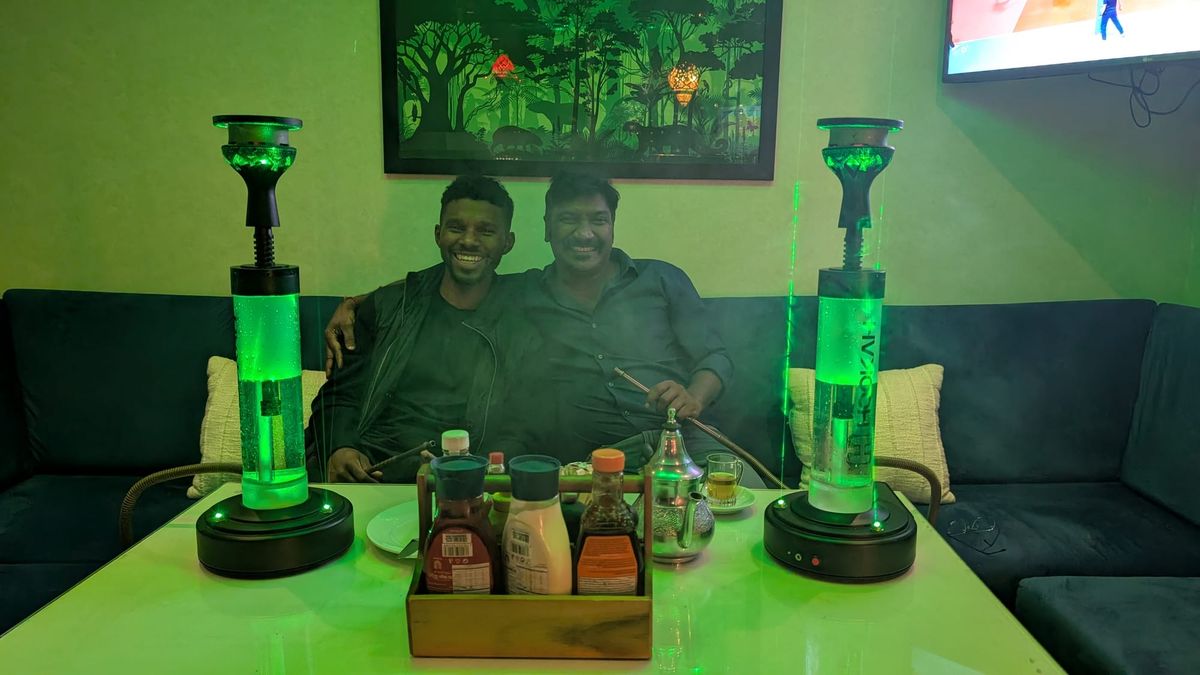
Last night, I reconnected with an old friend over shisha and fellowship, a bond forged during my Taiwan days. As the midnight oil burned and minutes dissolved into the stillness of the night, our conversation found its way to burnout. It’s the kind of topic you don’t bring up lightly—not because it’s taboo, but because it’s personal. Who do you talk to? How do you talk to them? And how do you explain a weight that’s felt but not always seen?
Burnout is insidious. It doesn’t announce itself with alarms or flashing lights; it creeps in, settling into the spaces where energy once flowed. It’s the subtle shift in tone during meetings, the longer sighs between tasks, the quiet retreat from conversations that once sparked joy. And in these moments, the question of who is paying attention becomes paramount.
That’s where the gift of an exceptional leader comes into play. A great leader isn’t just someone who commands respect or delivers results. They know you. They trust you. They understand you. And because they’ve invested in that understanding over time, they can sense when something’s off—when you’re not operating at your usual level.
It’s in those moments that trust transforms into action. A leader who recognizes the signs of burnout doesn’t just acknowledge it; they intervene. Not with grand gestures, but with deliberate, thoughtful moves. Maybe they help redistribute your workload, taking a few critical tasks off your plate. Maybe they help you re-prioritize, shifting the weight of expectations to make the mountain feel like a hill again. Or maybe they simply create space—a quiet moment, a listening ear, a kind word that reminds you of your own humanity.
But it’s not just what they do; it’s how they do it. The best leaders act without judgment, without making burnout feel like a flaw or failure. Instead, they foster an environment of psychological safety—one where vulnerability is met with empathy, not scrutiny. It’s in this space, this oasis of understanding, that inner conflicts can resolve, tensions can ease, and you can rise again.
Leadership, from this angle, is an art. It’s not just about strategic decisions or operational efficiency. It’s emotional intelligence in action. It’s trust woven with care. It’s knowing when to push and when to pull, when to speak and when to listen. It’s the delicate balance of recognizing someone’s capacity while offering them grace to recover. And above all, it’s remembering that people outrank priorities—always. Deadlines can shift. Projects can pivot. But people are the foundation. When leaders prioritize people, they not only rebuild morale but also reinforce the culture of trust that fuels long-term success.
Sometimes, leadership takes the form of small rituals—a shared cup of tea, an invitation to step away from the desk, or even a quiet moment over shisha, tobacco curling like unspoken words into the night air. These gestures may seem inconsequential, but they carry weight. They signal that someone sees you, not just as a role or a resource, but as a person. And in that recognition, there’s healing.
As my friend and I talked, I couldn’t help but think about the leadership lessons embedded in these conversations. Burnout isn’t a problem to be fixed; it’s a challenge to be navigated. It requires understanding, adaptability, and a willingness to lean into discomfort. And the best leaders? They don’t just manage; they guide. They don’t just resolve; they restore.
At its core, leadership isn’t about maintaining productivity at all costs; it’s about protecting the people who make productivity possible. It’s about showing, through action, that no task or priority is more important than the well-being of your team. When people feel valued, they rise—not just to meet expectations, but to exceed them.
In the end, maybe that’s the secret. Great leadership is as much about creating connection as it is about driving results. It’s the ability to build bridges when someone feels like they’re standing on an island. It’s offering a lifeline of trust when someone feels like they’re treading water. And sometimes, it’s simply sitting in the quiet, letting someone know they’re not alone.
So, who do you talk to? How do you talk to them? Maybe the real answer lies in who you trust enough to listen—not just when things are going well, but when the weight of the world feels too heavy to carry alone.